Understanding Trigger Finger
What patients commonly notice
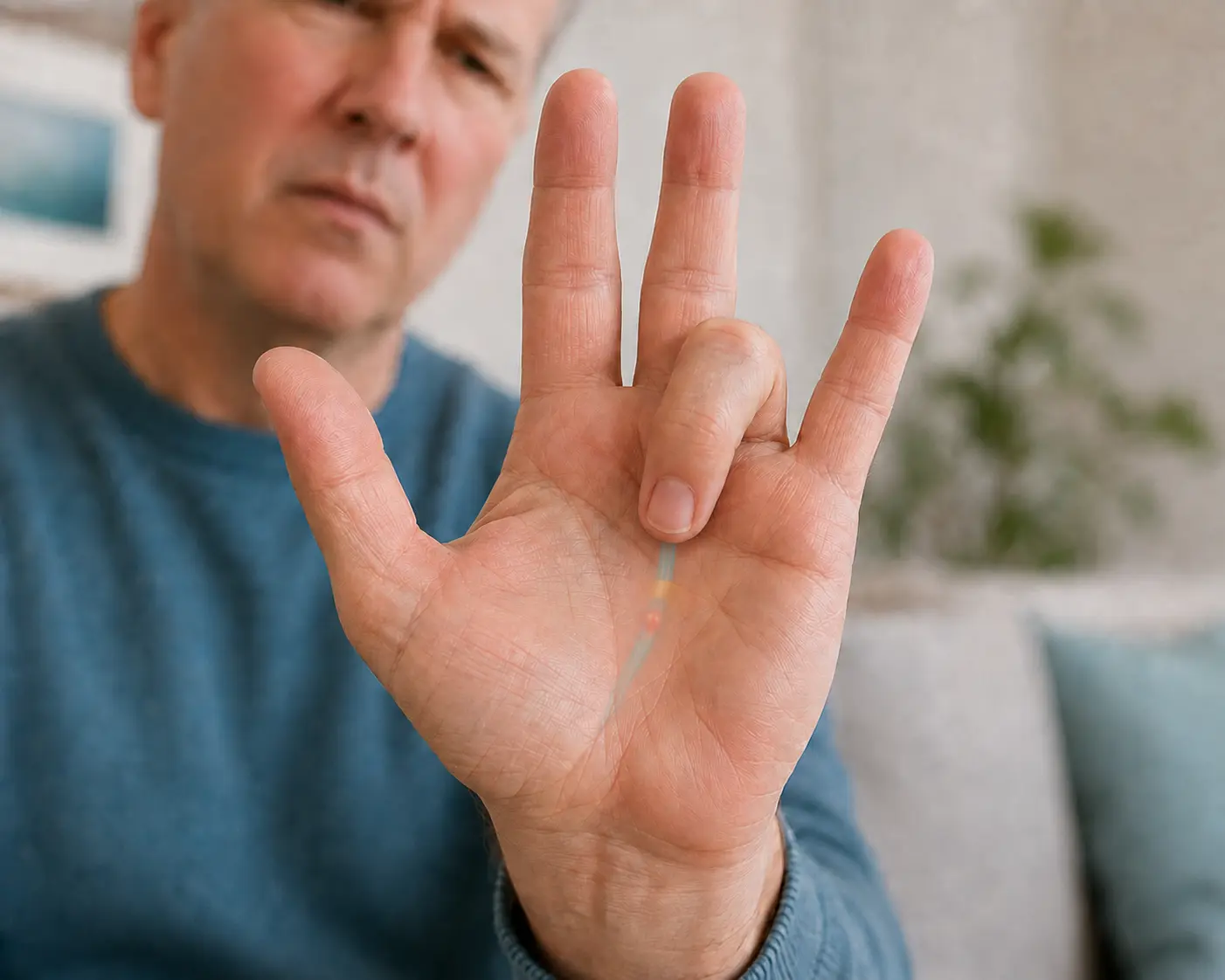
A thickened or irritated flexor tendon can catch as it moves, causing clicking, pain or locking of a finger. The exact pattern and severity can vary, so a clinical assessment is important before deciding on treatment.
Common symptoms
- Pain or tenderness at the base of a finger
- Clicking or catching during movement
- A finger that locks in a bent position
Causes and risk factors
There may be more than one contributing factor. Common possibilities include:
- Thickening around the flexor tendon sheath
- Diabetes or inflammatory disease
- Repetitive gripping in some patients
How is trigger finger assessed?
Assessment may include hand strength, sensation, dexterity, tendon movement and joint stability. X-rays, ultrasound, MRI or nerve-conduction studies are selected according to the suspected problem.
Treatment options
Treatment is matched to the diagnosis, symptom severity, general health and the activities you need to return to. Options may include:
- Activity modification and selected splinting
- Corticosteroid injection
- Small surgical release when locking persists
Surgery is not automatically the first step. When it is considered, the likely benefit, alternatives and recovery requirements should be discussed clearly.
Common questions
Why is my finger worse or locked in the morning?
The flexor tendon can swell and catch beneath a narrowed pulley after a period of rest. Movement may become easier as the hand warms up, although the catching can progress.
Can a steroid injection cure trigger finger?
Many patients improve after an injection, although success is less predictable with diabetes, long-standing locking or severe fixed stiffness. Blood glucose may rise temporarily in patients with diabetes.
What if the finger becomes stuck in a bent position?
A finger that cannot be straightened should be assessed promptly. Persistent locking or failure of nonsurgical treatment may be treated with a small procedure to release the tight pulley.
This page provides general patient information and does not replace a consultation or personalised medical advice.