Understanding Tendon Transfers for Nerve Injuries
What patients commonly notice
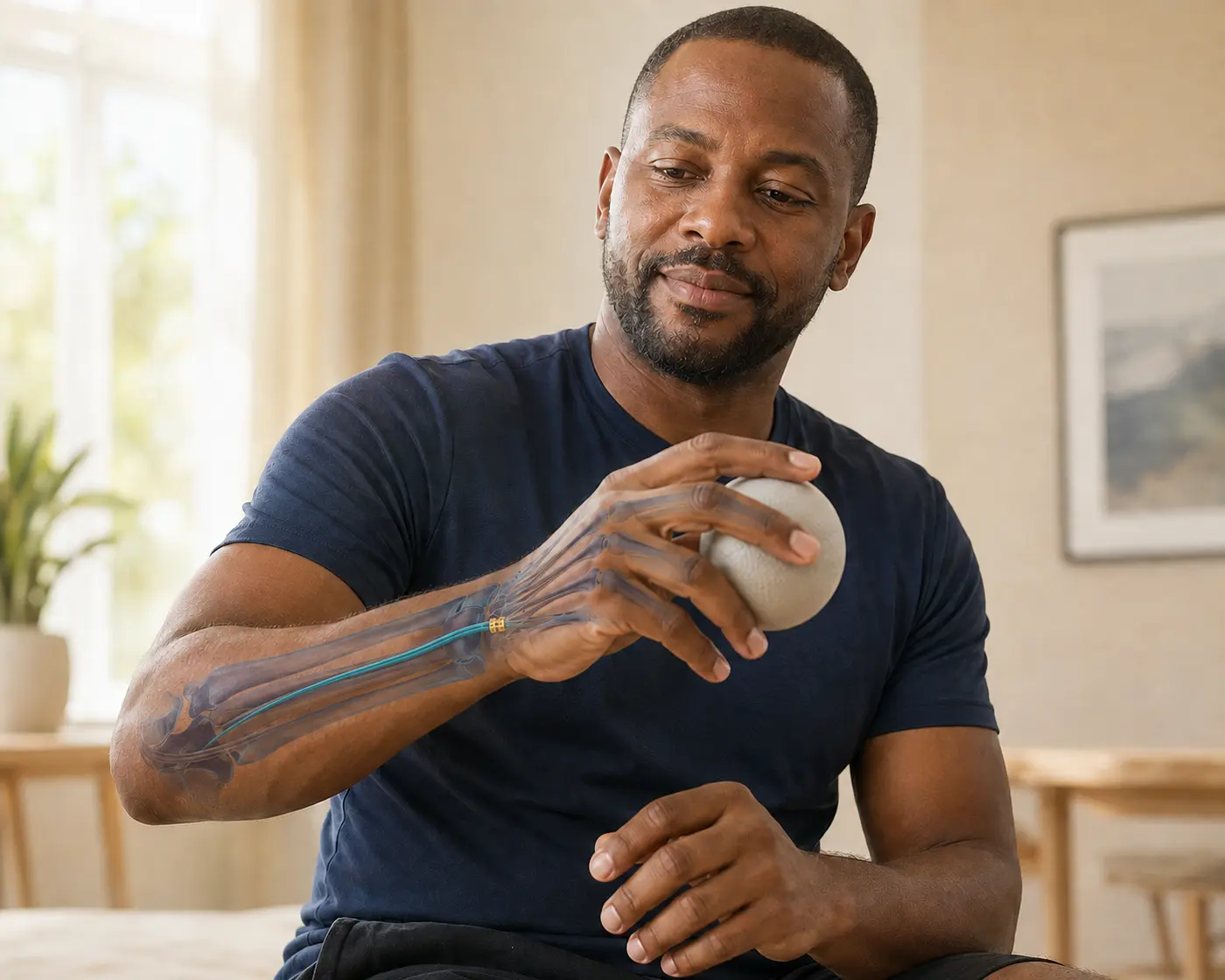
Selected functioning tendons may be redirected to restore useful movement after certain nerve injuries. The exact pattern and severity can vary, so a clinical assessment is important before deciding on treatment.
Common symptoms
- Persistent loss of a specific hand or wrist movement
- Weakness after nerve injury despite recovery time
- Difficulty with grip, pinch or positioning the hand
Causes and risk factors
There may be more than one contributing factor. Common possibilities include:
- Traumatic peripheral nerve injury
- Irreversible nerve palsy or muscle loss
- Selected neuromuscular or congenital conditions
How is tendon transfers for nerve injuries assessed?
Assessment may include hand strength, sensation, dexterity, tendon movement and joint stability. X-rays, ultrasound, MRI or nerve-conduction studies are selected according to the suspected problem.
Treatment options
Treatment is matched to the diagnosis, symptom severity, general health and the activities you need to return to. Options may include:
- Detailed assessment of remaining muscle and tendon function
- Nerve repair or transfer when appropriate and timely
- Tendon transfer followed by structured splinting and retraining
Surgery is not automatically the first step. When it is considered, the likely benefit, alternatives and recovery requirements should be discussed clearly.
Common questions
What can a tendon transfer restore after a nerve injury?
A working tendon can be redirected to replace a lost movement, such as finger extension, thumb opposition or wrist control. It does not repair sensation and cannot reproduce every aspect of normal function.
Why wait before performing a tendon transfer?
Some nerves recover after repair or observation, and that recovery must be assessed first. The timing depends on the injury level, nerve tests, muscle condition and whether useful recovery remains possible.
Will I need hand therapy after a tendon transfer?
Yes. Splinting protects the transfer initially, and specialised therapy teaches the brain and muscles to use the tendon in its new role. Rehabilitation is essential to the final result.
This page provides general patient information and does not replace a consultation or personalised medical advice.