



SERVICES
Upper Limb Conditions
Ulnar Nerve Entrapment
Overview
Ulnar nerve entrapment (cubital tunnel syndrome) arises from compression of the ulnar nerve in the elbow or wrist. The ulnar nerve lets you bend your pinky and ring fingers to grasp items easily. The nerve also delivers sensory information concerning temperature, pain and touch. So, if you suddenly bump the ulnar nerve in the elbow, you may experience a tingling sensation, also known as funny bone.
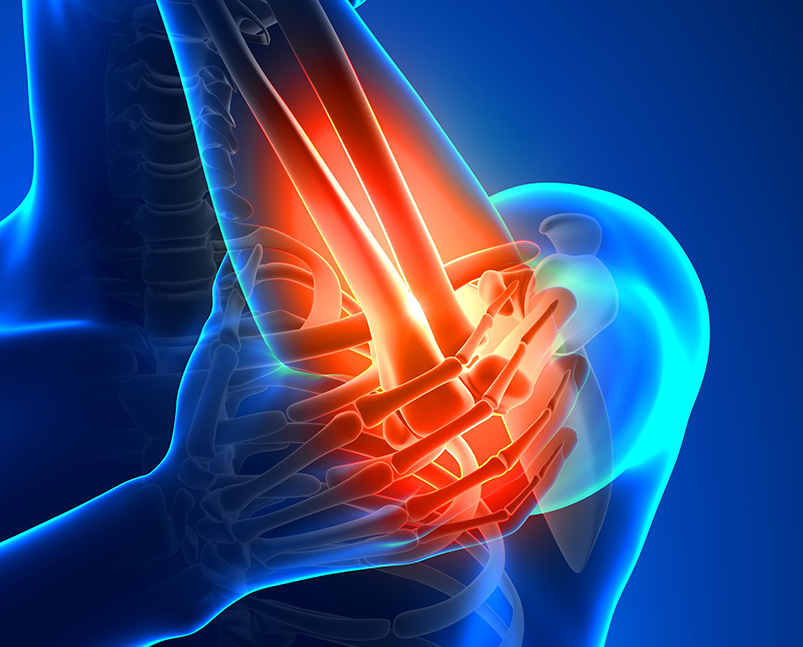
Potential Causes of Ulnar Nerve Entrapment
Ulnar nerve entrapment occurs when you overly stretch the ulnar nerve in the elbow or place increased pressure on the elbow.
Possible causes of ulnar nerve entrapment include the following:
- Traumatic injuries
- A degenerative disorder like arthritis.
- Fractured bones and the formation of bone spurs
- An underlying disorder like diabetes
- Dislocation of the elbow
- Pressure from the use of casts, splints or crutches.
Common Signs of Ulnar Nerve Entrapment
Depending on the severity, symptoms may come and go. These symptoms may worsen at night or when you engage in activities that place further strain on the elbow and wrist.
The common signs of ulnar nerve entrapment and damage to the nerve include the following:
- The claw-like appearance of the pinky and ring fingers
- Pain in the elbow
- A tingling or numb sensation in the pinky and ring fingers
- Weakness in the hand, which makes it harder to grip items
- Although rare, there may be muscle loss in the pinky or ring fingers
Treatment for Ulnar Nerve Entrapment
Both non-surgical and operative treatments are available, depending on the severity of the disorder.
Types of conservative treatments include the following:
- Non-steroidal anti-inflammatories are pain relief medications that temporarily relieve persistent pain.
- Physical therapy is advised to improve flexibility.
- Bracing and splints are initiated to firmly secure the elbow and wrist in place.
If these conservative treatments don’t work, you may need surgery, depending on your eligibility. Release of the ulnar nerve due to entrapment helps relieve pain and discomfort from the disorder.
Ulnar Nerve Entrapment FAQ:
Does ulnar nerve entrapment go away on its own?
Mild cases of ulnar nerve entrapment can improve on their own, especially when the triggering activities are reduced. Avoiding prolonged elbow bending, improving posture, and using supportive padding can help relieve pressure on the nerve. However, if symptoms persist or worsen, medical evaluation is recommended to prevent long-term nerve damage.
How long do symptoms of ulnar nerve entrapment last?
Symptom duration varies depending on the severity of the condition and how early it is treated. With conservative management, many people notice improvement within 6–12 weeks. More persistent or moderate cases may take several months to fully resolve. Long-lasting symptoms should always be assessed by a healthcare professional to avoid permanent nerve irritation.
How do I know I need surgery for ulnar nerve entrapment?
Surgery is usually considered only when conservative treatment has not been effective. You may need surgery if:
- Symptoms persist for 3–6 months despite non-surgical treatment.
- You experience progressive weakness in the hand or difficulty gripping objects.
- There is muscle wasting in the hand (especially between the fingers).
- Nerve tests show significant compression or damage.
Early assessment helps determine whether surgery is necessary to prevent long-term nerve problems.
Why Choose Umhlanga Orthopaedic Surgeons?

Expert Care
Patient-Centered Approach
Comprehensive Solutions