



SERVICES
Spine Conditions
Spondylolisthesis
Overview
Managing spondylolisthesis requires the expertise of healthcare professionals. It develops when the bones in the spine slip out of place. It can occur at any point in the spine (cervical, thoracic, and lumbar) but commonly affects the lower back.
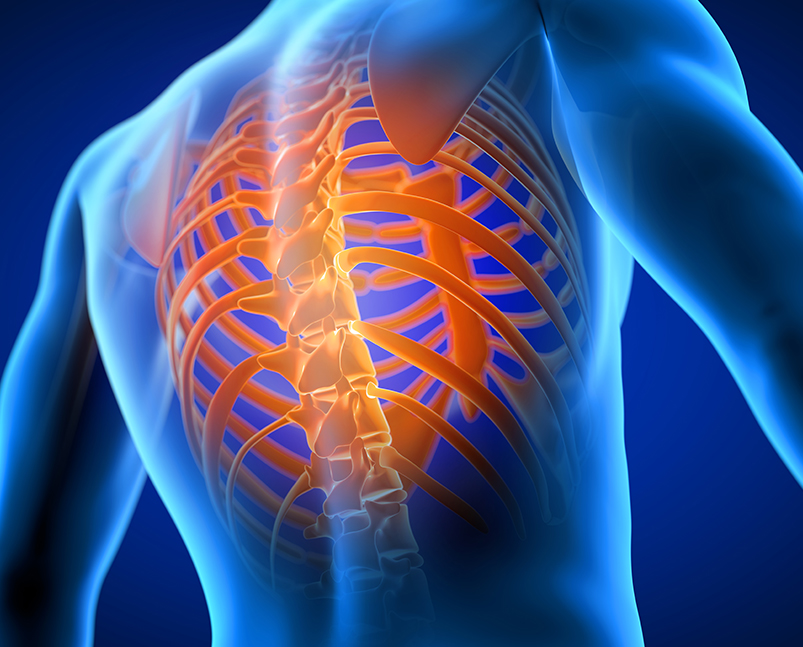
Common Signs of Spondylolisthesis
The primary symptoms of spondylolisthesis include the following:
- Lower back pain, which worsens when walking or standing.
- Pain that travels to the thighs
- Tightened hamstrings
- A tingling or numb sensation and pain that migrates to the leg from the lower back.
- Stiffness in the back
- Trouble walking or standing
Depending on the location of the vertebra slip, you can feel pain in other regions of the spine. The pain typically migrates to the buttocks and thighs.
Possible Causes of Spondylolisthesis
The cause depends on the type of spondylolisthesis you’ve been diagnosed with. However, common reasons include the following:
- Worn down spinal discs due to the natural effects of age.
- Traumatic sports injuries
- Traumatic motor vehicle accidents
- Very thin vertebrae
Treatment of Spondylolisthesis
The first line of treatment for spondylolisthesis may be non-surgical, depending on its severity. Non-operative treatments include the following:
- Sufficient rest reduces further strain on the spine.
- Corticosteroids, powerful prescription medications, can bring significant relief from the pain and inflammation caused by spondylolisthesis.
- Physical therapy, a key part of non-surgical treatment, involves specific exercises that can empower you by enhancing the strength of the muscles near the spine. These exercises are designed to reduce strain on the spine, allowing you to move more easily and comfortably.
- Bracing, which is usually recommended for a vertebrae fracture, may be advised to stabilise and reinforce the spine. Your surgeon will provide an estimate of the time required to wear the brace.
Although surgery is not always required for mild slippage, it may be necessary if you experience severe symptoms or there’s a high risk of complications.
Spondylolisthesis FAQ:
Can I still play sports with spondylolisthesis?
Yes, many people with spondylolisthesis can continue sports, but it depends on the severity of the slippage and symptoms.
- Low-grade or mild cases may allow non-contact and low-impact activities such as swimming, cycling, or walking.
- High-impact or contact sports may need to be avoided if they worsen pain or risk further slippage.
- A physiotherapist or orthopaedic specialist can recommend safe exercises and activity modifications tailored to your condition.
How do I know I need surgery for spondylolisthesis?
Surgery is considered when conservative treatments fail or the condition causes significant problems. You may need surgery if:
- Pain persists despite physiotherapy, medications, or activity modification.
- There is progressive slippage, nerve compression, or neurological symptoms such as numbness, tingling, or weakness.
- Daily activities are significantly limited due to pain or instability.
An orthopaedic surgeon will evaluate your imaging, symptoms, and lifestyle needs to determine if surgery is the best option.
Why Choose Umhlanga Orthopaedic Surgeons?

Expert Care
Patient-Centered Approach
Comprehensive Solutions