



SERVICES
Shoulder Conditions
Labral Tear
Overview
A Superior Labrum, Anterior to Posterior tear (SLAP tear) simply known as a labrum tear, account for a small percentage of shoulder injuries. An unresolved SLAP tear may become worse over time, resulting in persistent chronic shoulder pain, which severely limits your ability to move your shoulder and arm. It can take approximately six months or over to recover from a SLAP tear, depending on its extent.
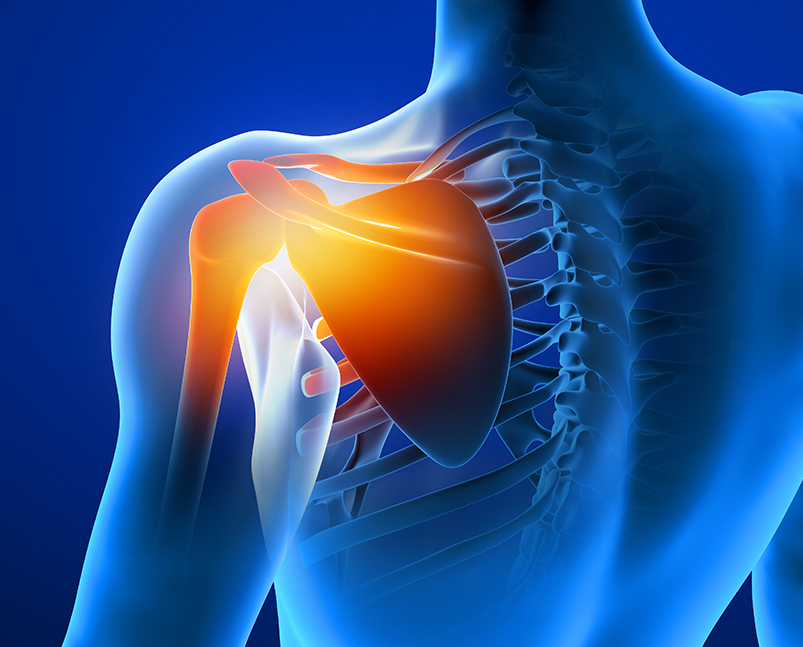
Causes of a SLAP Tear
SLAP tears have a few common causes, such as:
- Participating in sports with excessive overhead actions, such as softball, baseball, weightlifting, and swimming, can lead to chronic traumatic SLAP injuries. These sports often involve repetitive and strenuous arm movements, increasing the risk of developing these types of injuries.
- An acute injury occurs when you fall on an outstretched arm or swiftly lift very heavy objects.
- The natural ageing process significantly contributes to the development of SLAP tears. As the labrum begins to degenerate over time, these tears become more common in individuals aged forty and above.
Symptoms of a SLAP Tear
The most common signs of a SLAP tear include the following:
- A persistently aggravating form of shoulder pain that radiates deep within the shoulder.
- Shoulder pain develops with certain types of positioning, such as lifting one's arm to put on a shirt or elevating one's arm above one's head to reach for an item on a high shelf.
- Intensifying shoulder pain when throwing something or reaching for something overhead.
- A grinding or popping sensation when moving your shoulder.
- A strange sensation as if the shoulder may give out and move out of the shoulder blade, which can feel like a sudden loss of strength or control in the shoulder.
Diagnosis of a SLAP Tear
Diagnosis of a SLAP tear involves the following:
- A comprehensive physical examination involves a thorough physical examination of the shoulder, evaluating its range of motion and strength.
- Magnetic Resonance Imaging (MRI) offers detailed insight into the health of the joint.
Labral Tear (SLAP Lesion) FAQ:
Are labral tears serious?
The severity of labral tears ranges from mild to severe. There’s a possibility mild tears can be managed conservatively, while more severe tears require surgical intervention.
What happens if you don’t treat a labral tear?
There is a risk of increased pain, joint instability, and immobility, which can significantly impair quality of life.
Is a SLAP lesion very painful?
Yes, the pain may intensify with overhead movements.
Why Choose Umhlanga Orthopaedic Surgeons?

Expert Care
Patient-Centered Approach
Comprehensive Solutions