



SERVICES
Upper Limb Conditions
Tennis Elbow
Overview
Tennis elbow (lateral epicondylitis) is a disorder that occurs from repetitive, strenuous overuse of the tendons and muscles in the elbow. The disorder is commonly associated with repetitive wrist and arm movements. It's important to note that certain professionals, such as painters, carpenters, plumbers and butchers, who use their wrists and arms often, are at higher risk of tennis elbow.
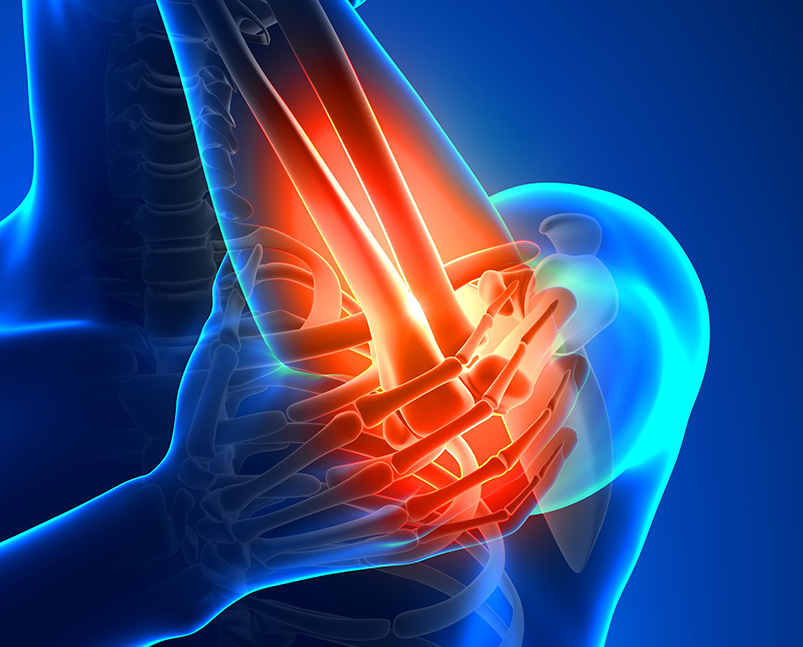
Symptoms of Tennis Elbow
Pain associated with tennis elbow may migrate from outside the elbow to the forearm and wrist. Due to pain and weakness in the area, you may have trouble with the following:
- Gripping objects
- Shaking hands
- Turning doorknob handles
- Holding a cup
Causes of Tennis Elbow
It's important to recognize that tennis elbow is predominantly associated with muscle strain and overuse. By repetitively tensing the forearm muscles responsible for straightening and lifting the hand and wrist, you can activate these symptoms without even knowing. Ultimately, the condition develops from the breakdown of tendon fibres that help connect the forearm muscles to the bony formation outside the elbow.
The following activities increase your susceptibility to tennis elbow:
- Continuously engaging in racquet sports using poor form
- Regular use of plumbing tools
- Using screws
- Regularly cutting food like meat for the preparation of meals
- Frequently using your computer mouse
Risk Factors for Tennis Elbow
Understanding the following factors that contribute to a higher occurrence of tennis elbow can empower you to take preventive measures and manage the condition effectively.
- Age is a significant factor since tennis elbow is likely to occur in older individuals. Still, it can affect anyone regardless of age.
- Occupations that require overuse of the arm and wrist increase the likelihood of the disorder.
- Particular aspects of playing certain types of sports, such as frequent racquet usage, poor form when playing racquet sports, and inadequate sports equipment, may increase the risk of tennis elbow.
Tennis Elbow FAQ:
How long does it take to recover from tennis elbow?
Recovery time varies depending on the severity of the condition and how consistently treatment is followed. Most people begin to see improvement within 6–12 weeks with appropriate rest, activity modification and therapy. However, full recovery can take 3–6 months, and in more persistent cases, up to 12 months. Early management and adherence to treatment significantly improve recovery outcomes.
What are the conservative treatment options for tennis elbow?
- Sufficient rest
- Prescription medication (pain relievers)
- Bracing
- Activity modification
How do you know you need surgery for tennis elbow?
Surgery is usually considered only when conservative treatments fail.
You may be a candidate for surgery if:
- You have persistent pain for 6–12 months despite appropriate non-surgical treatment.
- Pain significantly limits daily activities, work tasks or sports participation.
- There is ongoing weakness in the wrist or grip that does not improve with therapy.
- Imaging or clinical assessment suggests significant tendon degeneration not responding to standard management.
Most cases improve without surgery, so a thorough evaluation by an orthopaedic specialist or physiotherapist is essential before surgical decisions are made.
Why Choose Umhlanga Orthopaedic Surgeons?

Expert Care
Patient-Centered Approach
Comprehensive Solutions