



SERVICES
Spine Conditions
Spinal Stenosis
Overview
Spinal stenosis, a condition where the space within the backbone becomes too narrow, can present with a variety of symptoms. These can include numbness, tingling, pain, and muscle weakness. It's important to note that not everyone with spinal stenosis experiences these symptoms. The condition can also be a result of general wear and tear on the spine due to degenerative disorders like arthritis.
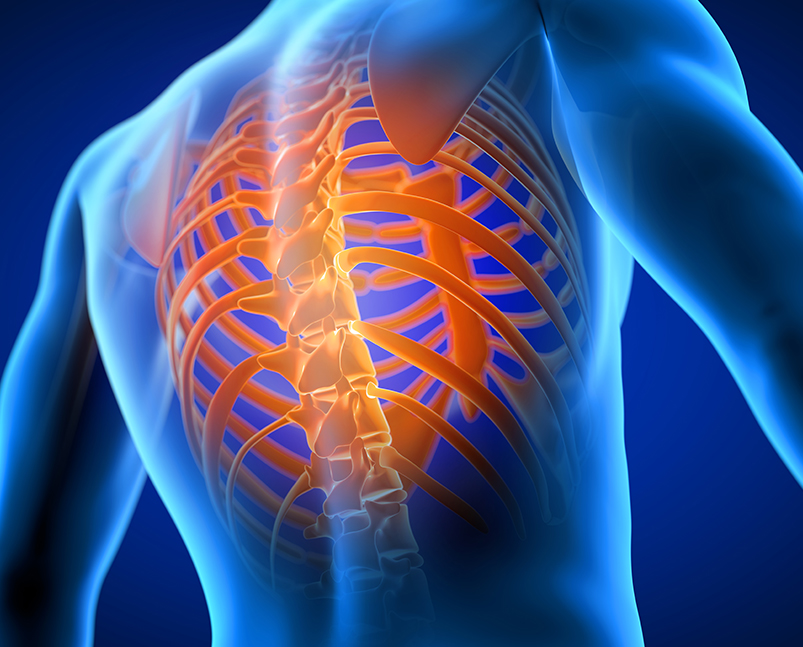
Common Signs of Spinal Stenosis
When symptoms of spinal stenosis occur, it's important to remember that with proper treatment, they can progressively improve over time. Depending on the region most affected, symptoms will vary.
For example, spinal stenosis in the lower back may result in cramping in the legs and back pain. However, with spinal stenosis in the neck, the following symptoms may occur:
- A numb sensation
- Weakness and a tingling sensation in the arm, hand, foot or leg.
- Issues with balance
- Trouble walking
- Pain in the neck
- Bowel or bladder issues
Causes of Spinal Stenosis
Possible causes of spinal stenosis include the following:
- Formation of bone spurs. Arthritis, which results in wear and tear, leads to abnormal bone growth on the spine. However, these bone spurs can move into the spinal canal.
- Disc herniation. Spinal discs, which serve as soft, protective cushions, rest between the spinal bones and absorb shock. However, due to degeneration or a traumatic injury, the inner material of the disc may leak and press against the nerves and spinal cord.
- Rarely, spinal tumours can develop within the spinal canal.
- Traumatic spinal injuries. Traumatic accidents can cause the spinal bones to shift from place or break. Also, directly after a back injury, the nearby tissue may begin to swell and place pressure on the nerves and spinal cord.
Treatment of Spinal Stenosis
Treatment for the disorder depends on its severity. There are non-surgical treatments such as the following:
- Prescription medication for pain.
- Physical therapy to maintain stability and flexibility of the spine.
If the condition is severe, there are surgical options to create enough room in the spinal canal.
Spinal Stenosis FAQ:
How do I know I need surgery for spinal stenosis?
Surgery is usually considered when conservative treatments are no longer effective. You may need surgery if:
- Pain, numbness, or weakness persists despite physiotherapy, medication, or injections.
- Walking, standing, or daily activities are significantly limited.
- There is progressive weakness or loss of function in the legs, or problems with bladder or bowel control.
An orthopaedic surgeon will assess your symptoms, imaging results, and overall health to determine if surgery is the best option.
How long do symptoms of spinal stenosis last?
Symptoms vary depending on severity and treatment:
- Mild cases may improve with conservative measures such as physiotherapy, posture correction, and medication.
- Chronic or more severe cases can cause persistent discomfort over months or years, often worsening gradually if left untreated.
- Early intervention can reduce symptom duration and improve quality of life.
Is spinal stenosis a serious disorder?
Spinal stenosis can be serious if left untreated, as it may lead to:
- Increasing pain, numbness, or weakness in the legs.
- Difficulty walking or performing daily activities.
- In severe cases, bladder or bowel dysfunction, which requires urgent attention.
With early diagnosis and proper management, most people can control symptoms and maintain mobility.
Why Choose Umhlanga Orthopaedic Surgeons?

Expert Care
Patient-Centered Approach
Comprehensive Solutions