



SERVICES
Shoulder Conditions
Acromioclavicular (AC) Joint Separation
Overview
A shoulder separation, a common occurrence in collision sports, is often the result of a traumatic injury such as a fall. These injuries occur when the ligaments of the acromioclavicular joint, the point where the collarbone and shoulder blade meet, are excessively stretched. This can lead to increased susceptibility to shoulder separation. Therefore, it's crucial to understand how the ligaments between the acromion and clavicle can stretch excessively, leading to a tear that disrupts the connection of the collarbone and shoulder blade, resulting in joint laxity and looseness. Acromioclavicular joint injuries contribute to a significant portion of shoulder injuries.
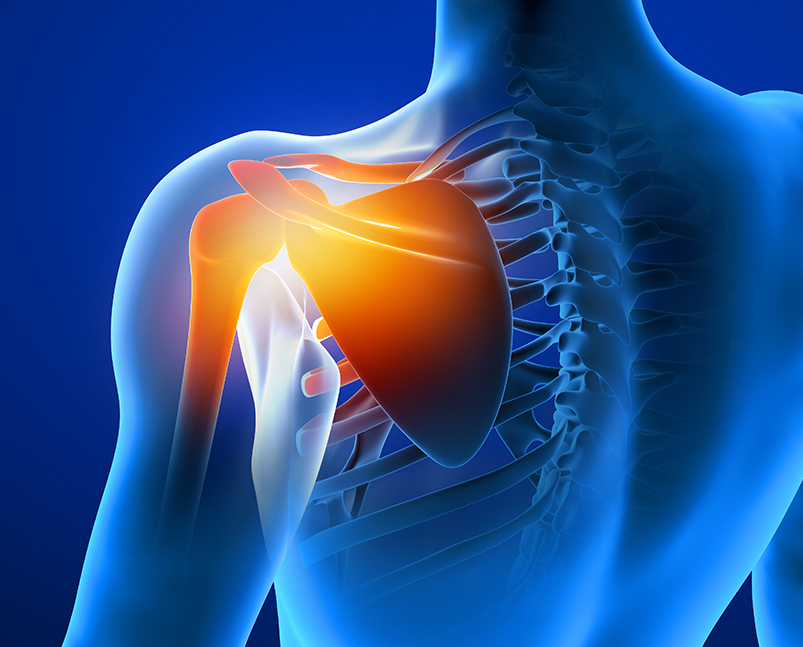
Symptoms of Acromioclavicular (AC) Joint Separation
Symptoms of a shoulder separation may vary in each case, depending on the individual’s case and the extent of the injury. Symptoms, which may be mild or severe, include the following:
- Pain on the upper part of the shoulder.
- A small bump is at the top part of the shoulder, at the end of the collarbone. Due to ruptured ligaments, the shoulder blade travels down, causing the collarbone to protrude unnaturally.
- Reduced mobility in the shoulder is a common symptom of AC joint separation, so you're not alone in this experience.
- Tenderness and swelling over the region.
Causes of a Shoulder Separation
A shoulder separation, a condition caused by a traumatic injury that leads to a fall onto your shoulder with a significant impact, is more common than you might think. This type of injury can occur due to sports injuries, motor vehicle accidents, sudden falls, and other related traumatic injuries that involve direct impact on the shoulder.
Complications of a Shoulder Separation
Most people can regain movement of the shoulder after treatment. However, sometimes, a deformity like a bump in the area remains. You may also develop continuous pain due to the bones rubbing against each other painfully.
Acromioclavicular (AC) Joint Separation FAQ:
Is shoulder separation serious?
The severity of the disorder may range from mild to severe. One of our orthopaedic surgeons will assess the extent of damage to determine the severity of the condition.
Does shoulder separation require surgery?
In severe cases, surgery may be an option. Only an orthopaedic surgeon can determine your eligibility for surgery.
Are there conservative treatments for shoulder separation?
Yes, options include prescription pain medication, sufficient rest and physical therapy.
Why Choose Umhlanga Orthopaedic Surgeons?

Expert Care
Patient-Centered Approach
Comprehensive Solutions