



SERVICES
Hip Conditions
Femoroacetabular Impingement (FAI)
Overview
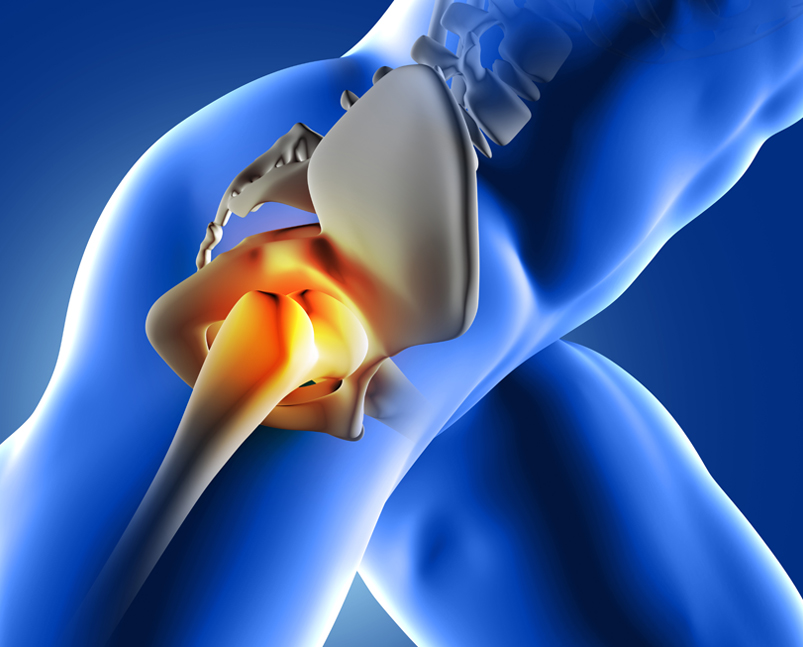
Femoroacetabular impingement (FAI)/hip impingement is a disorder that occurs when a surplus of bone forms on the bones that make up the hip joint. This surplus bone causes the bones to form an irregular shape, which prevents them from fitting correctly. As a result, painful bone-on-bone action occurs during each movement. If left untreated, this can lead to severe consequences, including irreversible damage, chronic pain, and loss of mobility.
Causes of Femoroacetabular Impingement (FAI)
Femoroacetabular impingement (FAI) typically occurs when the hip bones fail to develop properly during childhood. When the hip bones are improperly shaped, it is hard to prevent a disorder like hip impingement from occurring.
It may also occur from a bone spur on the femur or acetabulum, which may develop over time.
Signs of Femoroacetabular Impingement (FAI)
The most common symptoms of femoroacetabular impingement (FAI) are:
- Pain
- Joint stiffness
- A limp
Pain typically develops in the groin region but may sometimes develop outside the hip. Certain actions, like squatting, twisting, and turning, may result in sharp, intense pain. However, it's important to note that the discomfort can also manifest as a dull ache, with the intensity varying from person to person and even from day to day. Symptoms of hip impingement may worsen, especially without treatment, when the damage extends to the cartilage in the hip joint.
Different Forms of Hip Impingement
Hip impingement may be categorised into various types, depending on where it occurs.
The different types include the following:
- Cam impingement occurs when additional bone forms on the femoral head.
- Pincer impingement arises when a surplus of bone occurs within the hip socket.
- Combined impingement is a combination of two forms of hip impingement: pincer and cam impingement.
Risk Factors for Hip Impingement
Athletes participating in sports that increase pressure on the hips are at higher risk for hip impingement.
Femoroacetabular Impingement (FAI) FAQ
Is hip impingement serious?
It can become serious when left undiagnosed and untreated. Only a qualified orthopaedic surgeon can assess the extent of damage and determine the severity of the injury.
What diagnostic tests are ordered for hip impingement?
MRI or CT scans and X-rays are examples of tests ordered for a condition like hip impingement.
Do you always need surgery for hip impingement?
Only a qualified orthopaedic surgeon, like any of our highly esteemed orthopaedic surgeons at Umhlanga Orthopaedic Surgeons, can make an official diagnosis and formulate the most appropriate treatment plan.
Why Choose Umhlanga Orthopaedic Surgeons?

Expert Care
Patient-Centered Approach
Comprehensive Solutions