



SERVICES
Shoulder Conditions
Shoulder Dislocation/Instability
Overview
Shoulder dislocation and instability arise when the lining of the shoulder or capsule, labrum, or ligaments become overly stretched, ruptured or separated. As a result, the ball of the shoulder (humeral head) shifts out of position either partially or completely from the socket. Dislocation or subluxation of the humeral head causes pain and instability of the shoulder.
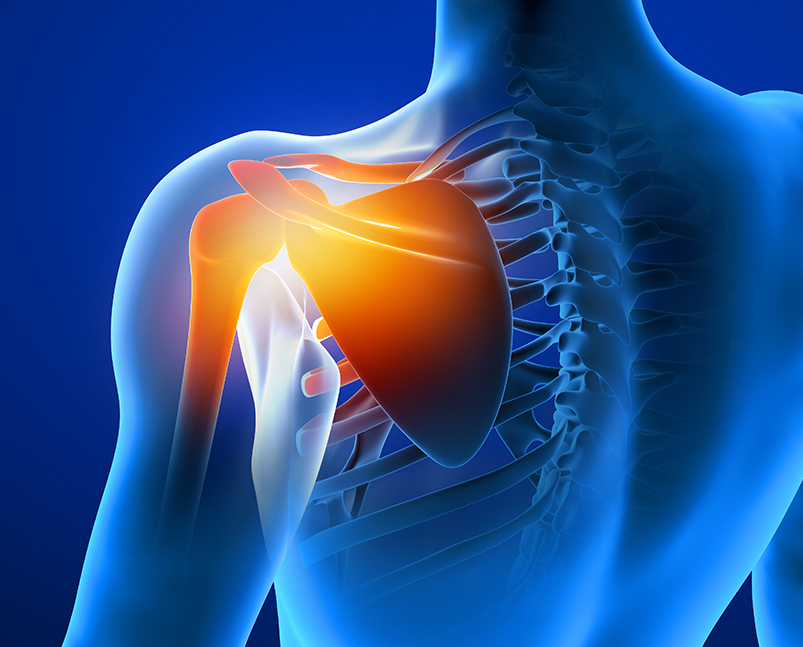
Once the shoulder is forced out of place, it’s crucial to avoid activities that may aggravate it further. The pain may be significant, in which case a sling may be required to temporarily mobilise the area while it heals. It's important to remember that the patient's adherence to postoperative care plays a crucial role in the healing process. Shoulder bracing is also considered a viable treatment option, depending on how severe the injury is.
Symptoms of Chronic Shoulder Instability
- Repetitive shoulder dislocations
- Shoulder consistently gives out
- Loose sensation in the shoulder, causing it to slip in and out
- Persistent pain from a previous shoulder injury
Causes of Chronic Shoulder Instability
Chronic shoulder instability may be due to various reasons, such as the following:
- A sudden traumatic injury may be due to an unexpected blow to the shoulder, which can cause the muscles and ligaments that support the joint to become overly stretched and tear.
- Excessively engaging in overhead activities can cause repetitive overuse of the shoulder joint, which can result in the loosening of the shoulder ligaments and capsule over time.
- Genetics play a significant role in shoulder instability. Some individuals are naturally prone to this condition due to hyperlaxity, a genetic predisposition. If you have a family history of shoulder instability, it's important to be aware of this risk factor.
- Previous shoulder dislocations significantly increase the risk of chronic shoulder instability. This is because prior damage to the ligaments can make them more susceptible to future damage, underscoring the importance of caution and care after an injury.
Shoulder Dislocation/Instability FAQ:
Is shoulder instability serious?
Yes, it can be serious, especially when not treated.
What happens if you don’t treat shoulder instability?
Untreated shoulder instability can cause long-lasting pain, severe joint damage, repetitive dislocations and, in severe cases, arthritis.
Do you need surgery for shoulder instability?
Only an orthopaedic surgeon can determine if surgery is necessary.
Why Choose Umhlanga Orthopaedic Surgeons?

Expert Care
Patient-Centered Approach
Comprehensive Solutions