



SERVICES
Hip Conditions
Hip Bursitis (Trochanteric Bursitis)
Overview
Trochanteric bursitis, a form of bursitis, causes painful swelling near the hip. Bursitis is a type of inflammation that impacts the tiny, liquid-filled sacs (the bursa). These bursae, like protective bubble wrap, which cushion areas around the bones and surrounding tissue, play a crucial role in safeguarding them.
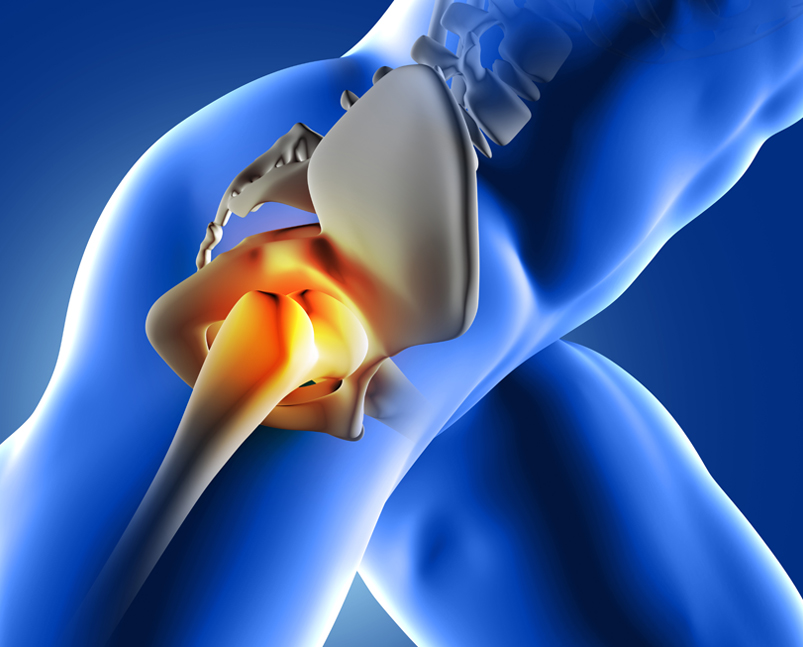
The pointed upper outer edge of the femur, known as the greater trochanter, is the specific area affected by trochanteric bursitis. Therefore, this condition impacts the bursa that converges over the greater trochanter. The bursae in this area may become inflamed, irritated or severely damaged.
Symptoms of Trochanteric Bursitis
Hip pain is a typical warning sign of trochanteric bursitis. However, this is a general symptom and requires a thorough evaluation by an expert medical professional. You may experience pain in the following areas:
- Pain outside the hip
- Pain on the side of the upper thigh
- Pain in the buttocks
- Pain while lying down on the impacted area
- Worsening pain when standing up
- Worsening pain when using the hip or moving too much
Causes of Trochanteric Bursitis
Trochanteric bursitis occurs from damage to the bursae near the great trochanter. Likely causes include the following:
- Overuse of the hip joint may develop when engaging in intense, repetitive physical activity.
- Traumatic hip injuries may arise from falls, unexpected bumps or lying on the hip too long.
- Problems with posture, a key factor in preventing trochanteric bursitis, occur when health disorders affect the contour of the hip joint and lumbar spine. Bad posture can result in excessive, unnecessary pressure on the bursae.
Risk Factors for Trochanteric Bursitis
Anyone is susceptible to trochanteric bursitis, which can happen unexpectedly after falling or from another type of injury. However, athletes, people in physically strenuous jobs, and those who have had hip surgery are at higher risk of the condition.
Hip Bursitis (Trochanteric Bursitis) FAQ:
Is hip bursitis serious?
It can lead to pain and immobility, which is why treatment is so important to help ease these symptoms.
Is hip bursitis very painful?
Yes, it can be very painful.
Are there non-surgical treatments for hip bursitis?
Yes, there are non-surgical options available, such as prescription pain relievers, activity modification, physical therapy, and corticosteroid injections. These treatments can help manage the pain and improve mobility without the need for surgery.
Why Choose Umhlanga Orthopaedic Surgeons?

Expert Care
Patient-Centered Approach
Comprehensive Solutions