



SERVICES
Spine Conditions
Degenerative Disc Disease
Overview
Degenerative disc disease is a common and progressive disorder that affects the spinal discs. Due to age and natural wear and tear, the discs may begin to wear away over time. The discs rest between the vertebrae, which help form the intricate structure of the spine. The discs are crucial since they allow you to stand upright and perform movements like bending and twisting.
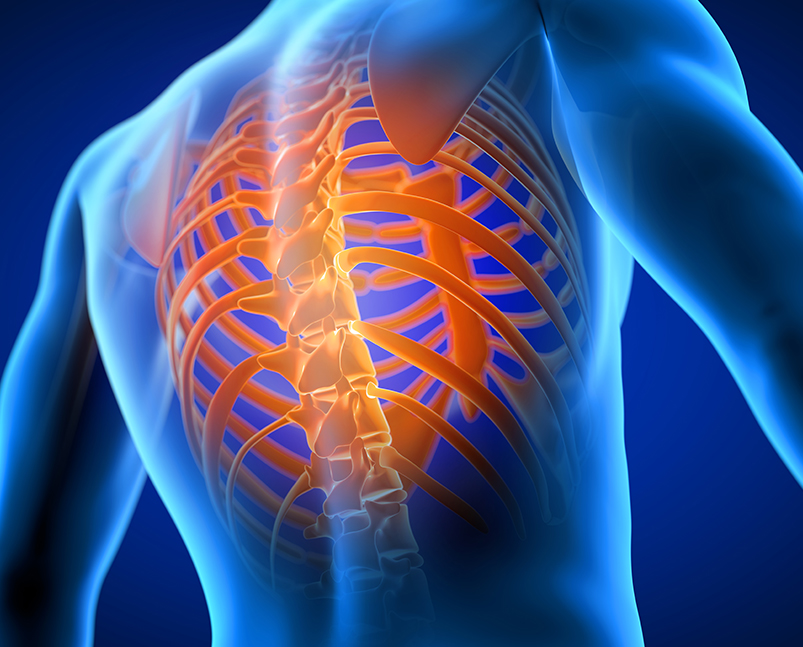
Common Signs of Degenerative Disc Disease
Degenerative disc disease specifically impacts the neck or lower back, depending on which parts are most affected. The pain from degenerative disc disease may come and go and spread to the hands, arms, buttocks, and thighs. It can worsen when you sit, lift something, bend, or twist. The condition may result in foot drop or weakness in the leg muscles.
Causes of Degenerative Disc Disease
Degenerative disc disease is largely due to worn spinal discs. Over a prolonged period, the discs become dehydrated and lose their ability to function optimally. This form of deterioration may be due to overuse or a traumatic injury, typically from repetitive motions and sports-related injuries.
Diagnosis of Degenerative Disc Disease
Your orthopaedic surgeon starts by inquiring about your symptoms, reviewing your medical history and conducting a comprehensive physical examination.
Additional imaging tests include the following:
- X-rays
- MRI scans
- CT scans
These imaging tests are crucial in identifying any damage to the spinal discs, and equally important, they help rule out other potential causes of your symptoms.
Treatment of Degenerative Disc Disease
There are non-surgical treatments (cold and heat therapy, prescription pain relief medication and physical therapy) to relieve pain and discomfort from degenerative disc disease. Physical therapy, in particular, plays a crucial role in empowering patients to manage their condition and regain control over their lives. However, for those with severe pain and immobility, surgery (spinal fusion or artificial disc replacement) is another permanent relief option.
Degenerative Disc Disease FAQ:
How long does pain from degenerative disc disease last?
The duration of pain varies depending on the severity of the condition and treatment.
- Many people experience intermittent flare-ups that last days to weeks.
- Chronic discomfort can persist for months or longer, especially if lifestyle factors, posture, or repetitive strain continue to aggravate the spine.
- Early management with physiotherapy, activity modification, pain relief, and lifestyle adjustments can reduce pain and prevent worsening symptoms.
How do you know you need surgery for degenerative disc disease?
Surgery is considered only when conservative treatments fail to relieve symptoms. You may need surgery if:
- Persistent pain limits daily activities despite physiotherapy, medications, or injections.
- There is progressive weakness, numbness, or loss of function in the arms or legs.
- Conservative treatments provide minimal or temporary relief.
An orthopaedic surgeon will evaluate your imaging, symptoms, and overall health to determine if surgery is the best option.
Is degenerative disc disease the same as arthritis?
No, but both can co-occur and affect the spine.
Why Choose Umhlanga Orthopaedic Surgeons?

Expert Care
Patient-Centered Approach
Comprehensive Solutions