



SERVICES
Spine Conditions
Sciatica
Overview
Sciatica is a spinal disorder that causes pain along the sciatic nerve, which runs from the buttocks to the legs. It occurs when a herniated disc or surplus of bone growth places increased pressure on the lumbar spinal nerve roots.
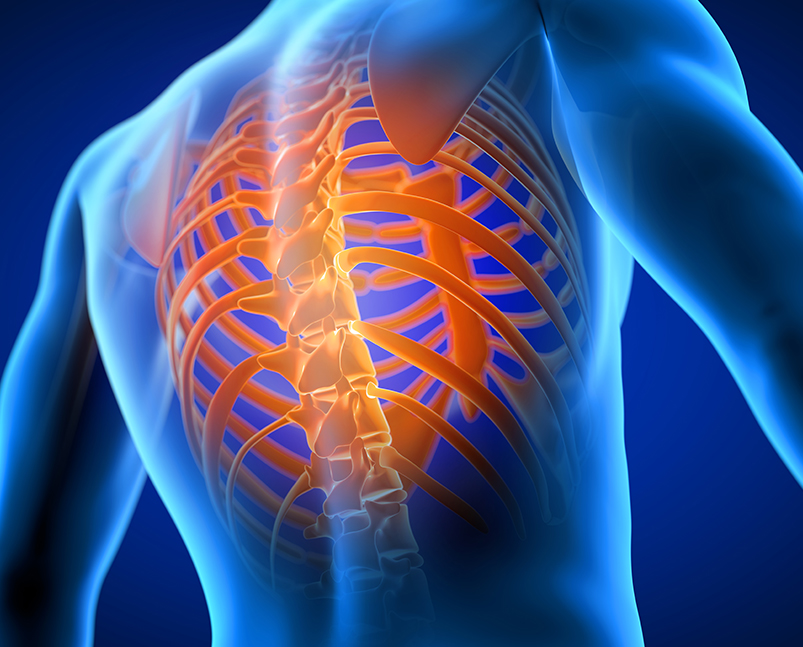
Common Signs of Sciatica
Sciatica pain, which may be disabling, depending on its severity, occurs at any point along the nerve pathway. The pain may be a mild ache or a more severe burning sensation. It’s important to seek medical attention for pain, particularly when the following signs occur:
- Muscle weakness
- Numb sensation in the leg
- Issue with bladder or bowel function
Causes of Sciatica
Pain from sciatica arises when the sciatic nerve roots become pinched. Pinched nerve roots develop from the formation of abnormal bony growths on the spine (bone spurs) or disc herniation. In some rare cases, a tumour can increase pressure on the nerve. Certain factors such as age, obesity, occupations that require you to lift heavy loads and excessive sitting may increase the risk of the disorder.
Diagnosing Sciatica
Usually, doctors conduct a thorough physical examination to assess your muscle strength and reflexes. For those who struggle with intense, prolonged sciatica pain, surgeons may decide to order the following imaging studies to investigate the condition further:
- X-rays of the spine
- MRI scans produce detailed images of the soft tissue and reveal signs of disc herniation and compressed nerves.
- CT scan to capture precise images of the spine.
Treatment for Sciatica
Treatment is usually advised for pain that does not dissipate or becomes worse over time.
Non-surgical treatments consist of the following:
- Prescription anti-inflammatory medication
- Prescription corticosteroids
- Physical therapy exercises are designed to improve posture, enhance flexibility and lower the risk of further injury.
In severe cases, surgery may be advised, depending on your eligibility. While it may seem daunting, this option is a secure and well-informed choice. Surgery involves the removal of a portion of the herniated disc or the bone spur that presses against the nerve, providing relief and hope for a full recovery.
Sciatica FAQ:
How long does sciatica pain last?
The duration of sciatica pain varies depending on the cause and severity:
- Many people experience improvement within 4–6 weeks with rest, activity modification, and physiotherapy.
- Chronic or severe cases can last several months if the underlying nerve compression is not addressed.
- Early management and avoiding activities that worsen symptoms can shorten recovery time.
How do I know I need surgery for sciatica?
Surgery is considered only when conservative treatments fail or if there are serious symptoms. You may need surgery if:
- Pain persists for several weeks or months despite physiotherapy, medications, or injections.
- There is progressive leg weakness, numbness, or loss of function.
- You experience bladder or bowel dysfunction, which is a medical emergency.
An orthopaedic surgeon will evaluate imaging results, symptoms, and overall health to determine if surgery is necessary.
When should I see a doctor for sciatica?
You should see a doctor if you experience:
- Pain that radiates from the lower back to the leg, especially with numbness, tingling, or weakness.
- Symptoms that persist beyond a few weeks or worsen over time.
- Loss of bladder or bowel control, or difficulty walking, which requires immediate medical attention.
Early assessment helps prevent complications and guides effective treatment.
Why Choose Umhlanga Orthopaedic Surgeons?

Expert Care
Patient-Centered Approach
Comprehensive Solutions