



SERVICES
Spine Conditions
TB Spine and Spinal Tumors
What is spinal tuberculosis?
Spinal tuberculosis (Pott’s disease) is a disorder caused by Mycobacterium TB. The infection begins in the lungs and travels to the spine through the bloodstream. Usually, it causes chronic back pain and weakness in the arms or legs.
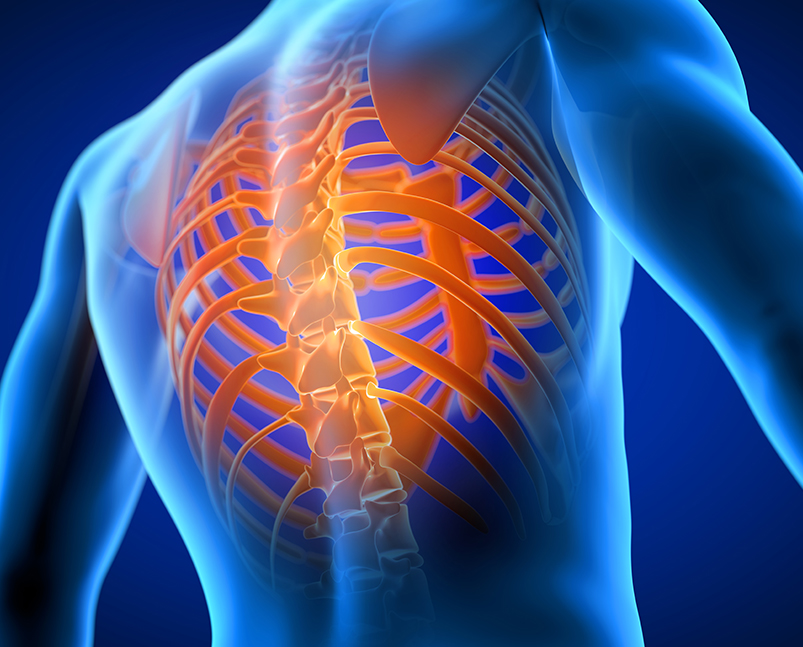
Common Signs of Pott’s Disease
- Neck pain
- Pain in the back
- Leg and arm weakness
- Unexplainable and unexpected weight loss
Causes of Pott’s Disease
Mycobacterium tuberculosis, a bacterium that plays a pivotal role in causing Pott’s disease, can occur from inhaling droplets of bacteria that are responsible for the TB infection. The infection begins in the lungs and eventually travels to the spinal bones via the bloodstream.
How contagious is Pott’s disease?
Tuberculosis may become contagious when it’s in the lungs. It travels through air droplets and can spread when talking or coughing.
Potential Risk Factors for Pott’s Disease
You are at higher risk of Pott’s disease when you’ve been exposed to someone with TB and have limited access to healthcare services. Other potential risk factors include malnutrition and an underlying autoimmune disorder like HIV.
What are spinal tumours?
A spinal tumour is a growth of abnormal cells in and around the spine. Spinal cord tumours can form anywhere along the spinal cord and affect specific regions, like the upper back.
Common Signs of Spinal Tumours
There may not be any signs at first. Symptoms usually begin in the area of the spine where the tumour is. As a spinal cord tumour develops further, it can damage adjacent nerves and result in symptoms in other areas of the body.
Inside the spine, a spinal tumour can cause symptoms such as the following:
- Pain near the tumour site
- Pain that worsens at night
- Pain that begins in the back and extends to other areas of the body
- Pain that worsens over a prolonged period
Don’t hesitate to make an appointment with us if you develop any concerning symptoms.
TB Spine and Spinal Tumors FAQ:
What common tests are done to diagnose Pott’s disease?
- A tuberculosis skin test
- Blood tests
- Spinal X-ray, CT scan and MRI of the spine
When do you need to have spinal tumours surgically removed?
The usual signs are:
- Prolonged pain
- Paralysis
- Numbness
- Muscle weakness
- Spinal instability
Our highly experienced surgeons will evaluate you and determine your eligibility for surgical resection.
Can you treat spinal tumours non-surgically?
Yes, some spinal tumours can be managed without surgery, depending on their type, size, location, and whether they are benign or malignant. Non-surgical treatments may include:
- Radiation therapy to shrink or control tumour growth
- Chemotherapy for certain cancerous tumours
- Targeted medications or immunotherapy, depending on the tumour type
- Pain management and physiotherapy to maintain mobility and quality of life
Surgery is usually considered if the tumour causes spinal instability, nerve compression, or severe symptoms. A specialist will determine the most appropriate treatment plan based on imaging and overall health.
Why Choose Umhlanga Orthopaedic Surgeons?

Expert Care
Patient-Centered Approach
Comprehensive Solutions