


SERVICES
Hand & Wrist Conditions
De Quervain’s Tenosynovitis
Overview
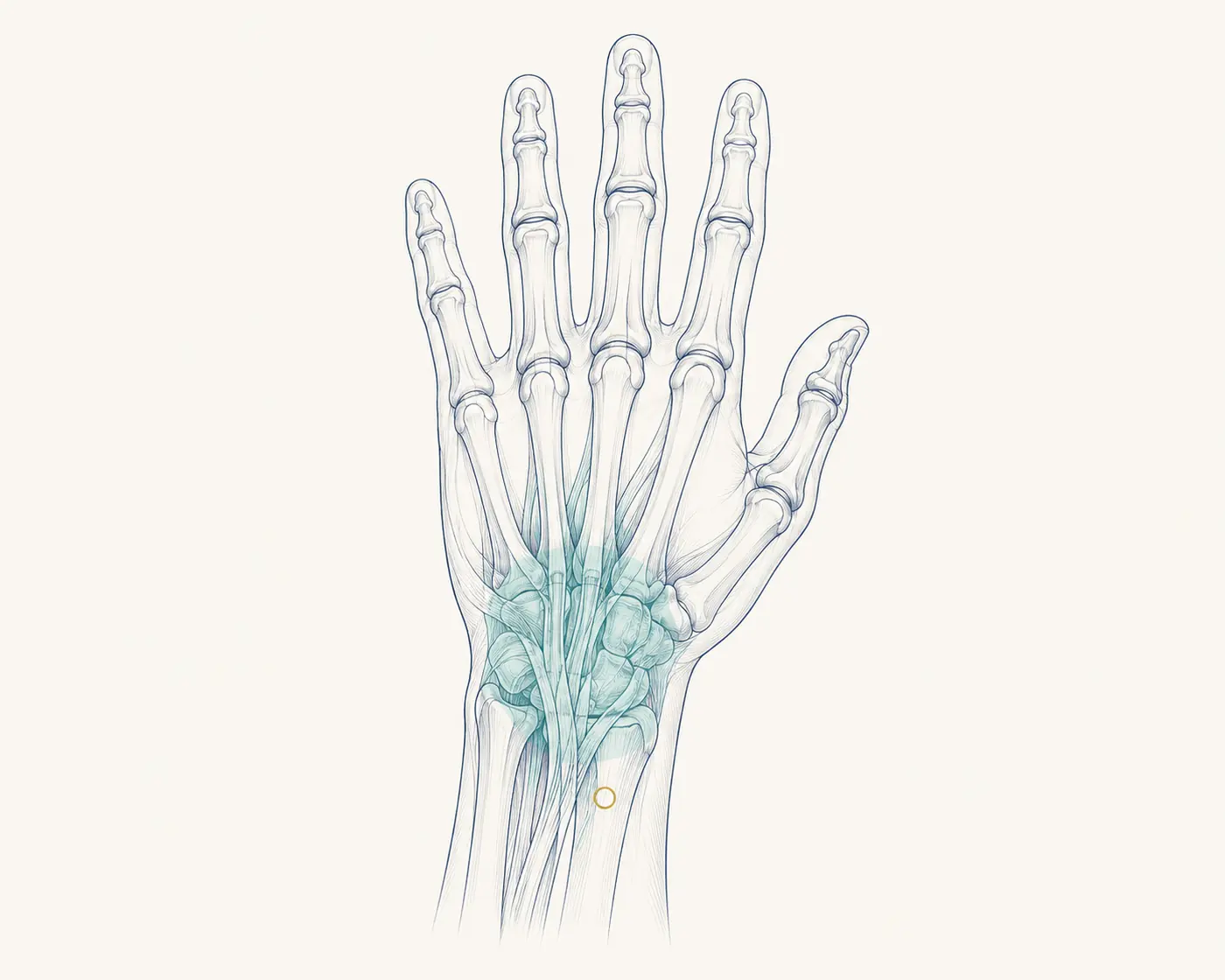
De Quervain’s tenosynovitis is a painful, disabling disorder that affects the tendons near the thumb on the wrist. A sign of the condition is pain when you attempt to turn your wrist, grip anything, or make a fist. The exact cause of it is unknown, but it has been linked to repetitive wrist action, which may occur when gardening, playing racquet sports, or picking up something.

Common Signs of De Quervain’s Tenosynovitis
- Pain in close proximity to the base of the thumb
- Inflammation near the base of the thumb
- Trouble moving the thumb and wrist, especially when gripping or doing anything that involves pinching.
- A sticky sensation in the thumb when attempting to move it.
With timely treatment, relief is possible. If the pain progresses without treatment, it may travel further down the thumb and forearm. Furthermore, moving the thumb and wrist can intensify the pain.
Causes of De Quervain’s Tenosynovitis
Certain factors play a significant role in the development of the condition, such as the following:
- Chronic overuse, like the repetition of hand movements over time, can lead to the development of the disorder.
- Inflammatory arthritis (rheumatoid arthritis)
- A traumatic injury of the wrist or tendon.
The following factors increase its risk such as:
- The natural ageing process can contribute significantly to the disorder.
- Occupations that require repetitive use of the hand.
Treatment for De Quervain’s Tenosynovitis
Treatment aims to reduce inflammation and preserve the movement of the thumb to prevent the recurrence of the disorder. However, if treatment begins early, you can prevent the progression of symptoms, and the discomfort should improve within weeks after treatment. Medications like corticosteroid injections are administered to relieve pain and swelling. Additional therapies involve the use of splints, activity modification, and cold therapy directly to the joint.
Surgery may be advised for severely debilitating cases.
De Quervain’s Tenosynovitis FAQ:
How long do symptoms last?
The duration of symptoms varies depending on how early the condition is treated. Many people notice improvement within 4–6 weeks with rest, splinting, activity modification and anti-inflammatory treatment. More persistent cases can take several months to fully resolve, especially if the tendons have been irritated for a long time. Early management generally leads to faster recovery and prevents flare-ups.
How do you know you need surgery?
Surgery is considered only when conservative treatments are unsuccessful. You may need surgery if:
- Pain continues for 6–12 weeks despite splinting, rest and medication.
- Symptoms repeatedly return and interfere with daily tasks.
- There is significant difficulty gripping, lifting or moving the thumb due to pain.
- Your doctor confirms ongoing tendon irritation that is not improving with non-surgical care.
Fortunately, most cases improve without surgery when treated early.