



SERVICES
Upper Limb Conditions
Biceps Tendon Rupture
Overview
Biceps tendon rupture, whether partial or complete, is often a result of wear and tear. A partial tear occurs when the tendon doesn't fully detach from the bone, leaving a portion intact. In contrast, a complete tear results in the tendon completely detaching from the bone. The susceptibility to wear and tear over time makes it prone to detachment, especially during intense physical activities like weight lifting.
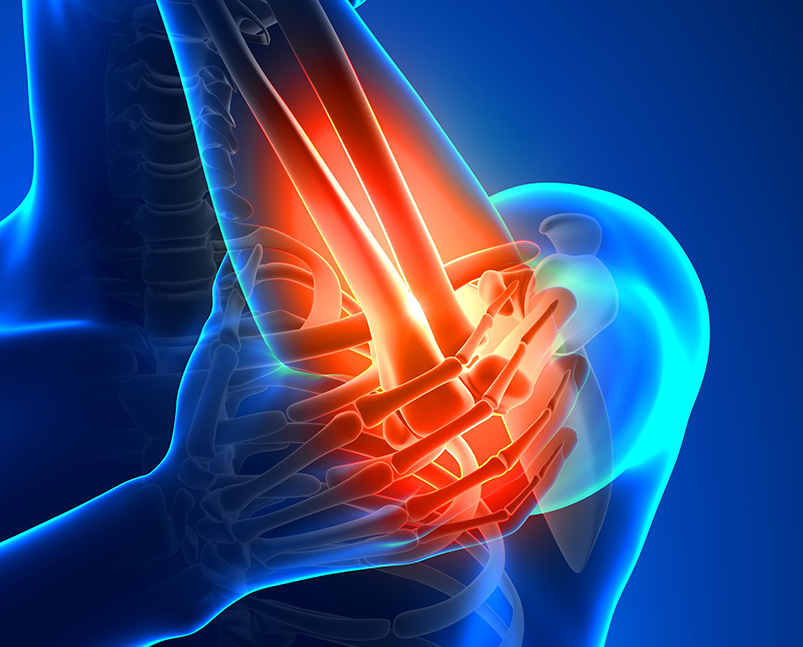
Causes of Biceps Tendon Rupture
There are two primary causes of biceps tendon rupture: overstrain and a traumatic injury. A traumatic injury is more likely to occur when you fall and land on an outstretched arm or when you lift a heavy object.
Overuse causes the tendon to fray over time. This is more likely the root cause of the injury, which naturally develops from age. A tear due to a worn-down tendon is more probable, especially when you repeat the same shoulder movements over a long time.
Risk Factors for Tendon Tears
Certain factors increase the risk of tendon rupture, such as:
- The natural ageing process can result in further wear and tear of the tendons over a prolonged period.
- Engaging in repetitive, overhead activities like weightlifting and other forms of overload can strain the tendons.
- Overuse of the shoulder joint can result in increased wear and tear of the tendons.
- Smoking
- The prolonged use of corticosteroids can cause weakness in the muscles and tendons.
Common Symptoms of Tendon Tears
- Unexpected, immediate pain in the upper arm
- A snap or audible popping noise from the injury site
- Bicep muscle cramping, mainly due to overuse of the arm
- Upper arm bruising
- Tenderness and pain around the elbow and shoulder
- Elbow and shoulder weakness
- Popeye deformity occurs when an apparent bulge forms in the upper arm just above the elbow.
Treatment for Biceps Tendon Rupture
Depending on the severity of the tear, conservative and surgical options are available. Surgery aims to reattach the ruptured tendon to alleviate pain and restore joint function.
Biceps Tendon Rupture FAQ:
How long does it take to completely recover from biceps tendon rupture?
Recovery depends on whether the tear is treated conservatively or surgically.
- Conservative treatment: Mild or partial tears may recover within 8–12 weeks, though full strength can take a few months to return.
- After surgery: Most patients regain good function within 3–4 months, but full recovery—including strength and endurance—may take 6–12 months.
Physiotherapy plays an important role in restoring flexibility, strength and shoulder–elbow function during recovery.
Do you always need surgery for biceps tendon rupture?
No, surgery is not always required.
- Partial tears or injuries in individuals who do not need full strength for work or sport often respond well to conservative treatment, including rest, physiotherapy and activity modification.
- Surgery is recommended when the tear is complete, when there is significant loss of strength, or when the patient requires full arm function for work, daily activities or sport.
A consultation with an orthopaedic specialist will help determine the best option based on the type of tear, symptoms and your lifestyle needs.
Why Choose Umhlanga Orthopaedic Surgeons?

Expert Care
Patient-Centered Approach
Comprehensive Solutions