



SERVICES
Upper Limb Conditions
Golfer’s Elbow
Overview
Golfer’s elbow (medial epicondylitis) is a common condition that results in pain on the inside (medial segment) of the elbow. It is often caused by repetitive strain or overuse of the joint, commonly associated with sports or specific occupations that involve gripping and repetitive hand movement.
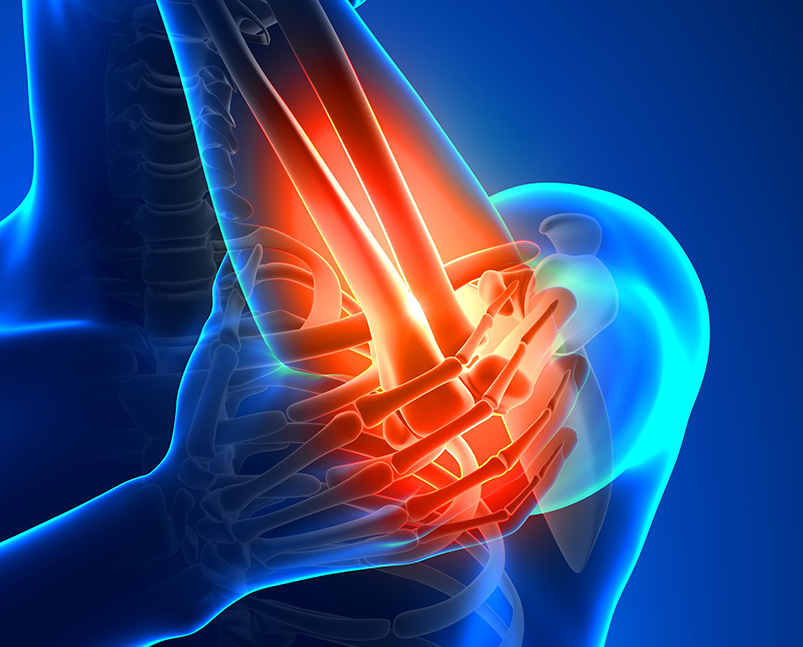
Symptoms of Golfer’s Elbow
Usually, a golfer’s elbow results in tenderness and pain within the inner part of the elbow that spreads to the forearm.
Other commonly associated symptoms include the following:
- Trouble with gripping
- Finding it hard to perform twisting actions like opening jars
- Limited movement at the elbow
- Tenderness around the elbow
Causes of Golfer’s Elbow
Symptoms of a golfer’s elbow occur when there’s an issue with the tendons near the elbow. These tendons play a crucial role in gripping.
Repetitive activities that increase strain on the tendons include the following:
- Gripping items
- Writing every day consistently
- Lifting heavy objects
- Pulling and twisting
Potential risk factors that impact the health of the tendons include:
- Smoking
- High body mass index
- Morbidly obese
- Consuming a high-fat diet
- Elevated cholesterol levels
- Diabetes
Diagnosis of Golfer’s Elbow
Only a qualified health practitioner, like one of our dedicated orthopaedic surgeons, can make a formal diagnosis based on a personalised health assessment. A physical examination is often done to test the range of motion.
Treating Golfer’s Elbow
First, a non-surgical approach is adopted, whereby activity modifications are made to reduce further strain. This means your doctor will teach you ways to modify your grip, help you reduce the load, and inform you about the importance of breaks between intense physical activities. It's crucial to follow your doctor's advice and not push through the pain, as this could worsen the condition.
Additional treatments include prescription pain relief medication and elbow support to alleviate the discomfort from golfer’s elbow. Corticosteroid injections are an alternative, temporary pain relief solution if activity modification and painkillers are ineffective.
Golfer’s Elbow FAQ:
How long will it take for golfer’s elbow to go away?
Recovery time differs from person to person, depending on the severity of the condition and how well treatment is followed. Most people notice improvement within 6–12 weeks with rest, activity modification and appropriate therapy. A full recovery may take 3–6 months, and in more persistent cases, symptoms can take up to 12 months to resolve. Following your doctor's guidance and avoiding painful activities can significantly speed up recovery.
Is golfer’s elbow a serious condition?
Golfer's elbow is not usually dangerous, but it can be quite painful and may limit daily activities if left untreated. If managed early, most cases improve with conservative treatment. However, if the condition is ignored and the tendons continue to be overused, the pain can worsen, and recovery may take much longer. Seeking medical advice helps prevent long-term discomfort and ensures proper healing.
Is there surgery for golfer’s elbow?
Yes. Surgery is available when conservative treatment options fail to relieve symptoms. This is generally considered only after 6–12 months of persistent pain despite rest, therapy and other non-surgical treatments. Surgical procedures aim to remove damaged tendon tissue and promote healing. Fortunately, most people recover well without needing surgery.
Why Choose Umhlanga Orthopaedic Surgeons?

Expert Care
Patient-Centered Approach
Comprehensive Solutions