



SERVICES
Shoulder Conditions
Frozen Shoulder
(Adhesive Capsulitis)
Overview
Frozen shoulder (adhesive capsulitis) is a condition that causes stiffness and pain in the shoulder. The symptoms may start off gradually, with mild discomfort and a slight decrease in shoulder mobility. Over time, these symptoms can worsen, leading to severe pain and major loss of shoulder movement, especially without treatment. When you keep the shoulder still for a long period, it can cause adhesive capsulitis, a debilitating and painful disorder. It can occur after you break your arm or from surgery.
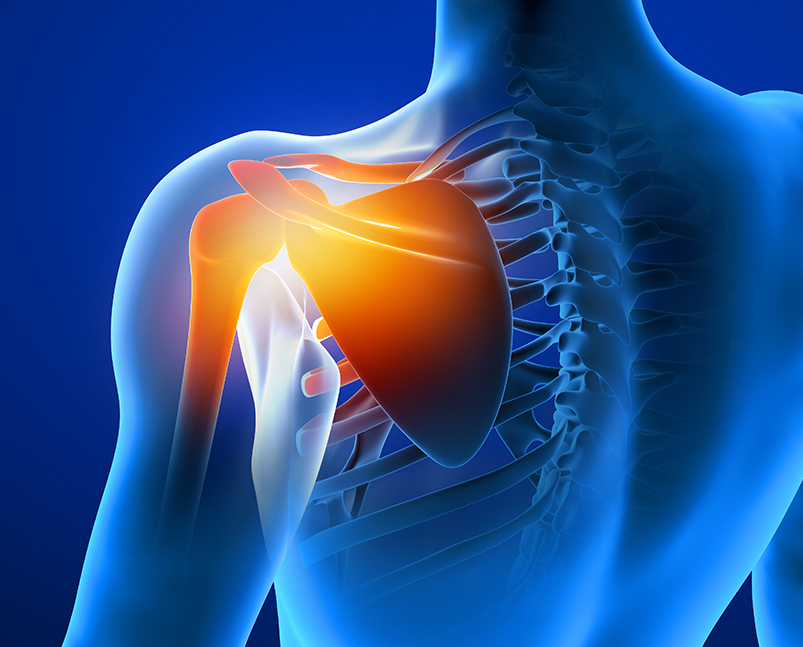
Remember, the treatment for a frozen shoulder varies depending on its severity and includes a range of options. You, as the patient, play a crucial role in your recovery. Physical therapy, for instance, can significantly improve shoulder mobility and reduce pain. Other options include corticosteroids, or numbing agents applied directly to the joint. In some cases, arthroscopic surgery may be considered an option to loosen the joint capsule so that it can move easily.
Symptoms of Frozen Shoulder
Frozen shoulder develops gradually over an extended period of time. Typical symptoms include the following:
- Movement of the shoulder that results in pain
- Limited movement of the shoulder
- Stiffness in the shoulder
- Using the shoulder over time becomes more difficult as the condition progresses.
- Worsening pain at night
Causes of Frozen Shoulder
A capsule of connective tissue encases the shoulder joint. A frozen shoulder arises when the capsule thickens and tightens over the joint, affecting its ability to move seamlessly.
Risk Factors for Frozen Shoulders
Understanding the various factors that contribute to the development of a frozen shoulder is crucial. These factors include:
- Age is a significant risk factor, particularly in older individuals.
- Limited mobility or complete immobility may occur due to rotator cuff injuries, a broken arm, stroke or recovery from a previous surgery.
- Illnesses such as diabetes, hyperthyroidism, hypothyroidism, Parkinson’s disease and heart disease significantly elevate the risk of developing a frozen shoulder.
Frozen Shoulder (Adhesive Capsulitis) FAQ:
Is frozen shoulder serious?
It may become debilitating, especially without treatment.
Is frozen shoulder permanent?
Effective treatment is available for frozen shoulder symptoms such as stiffness and pain in the area, providing relief and improving mobility.
Can frozen shoulder return to normal?
With a treatment plan in place, there's hope to alleviate the symptoms of a frozen shoulder.
Why Choose Umhlanga Orthopaedic Surgeons?

Expert Care
Patient-Centered Approach
Comprehensive Solutions