



SERVICES
Knee Conditions
Chondromalacia Patella
Overview
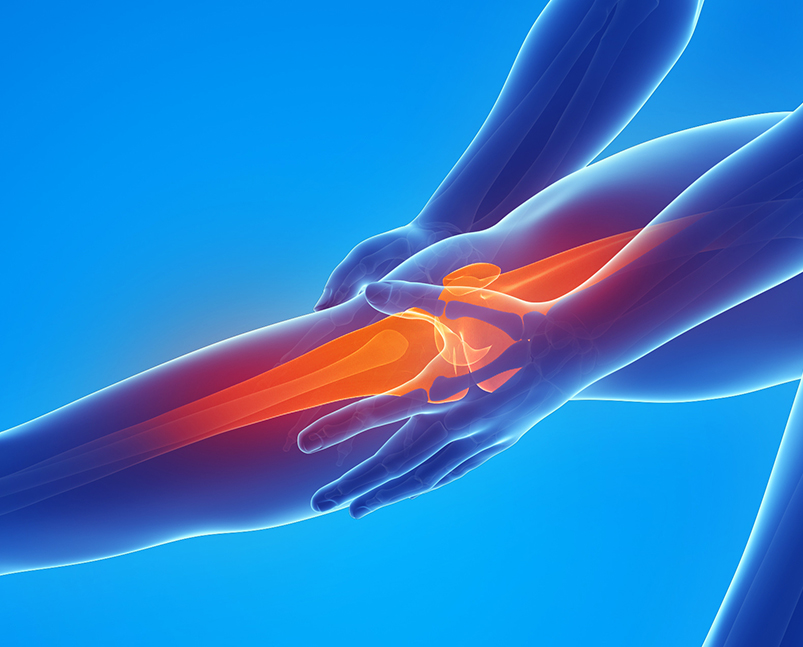
Chondromalacia patella (runner’s knee) develops due to softening of the cartilage of the kneecap. It's a condition associated with overuse and excessive strain on the knee. In some cases, improper knee alignment may contribute to this. Typically, a runner's knee presents with uncomfortable symptoms such as a grinding sensation and knee pain, and despite the discomfort, most people neglect treatment.
Patellofemoral pain syndrome (PFPS) presents with pain at the front of the knee or near the kneecap.
Causes of Chondromalacia Patella
Patellofemoral pain syndrome may arise from a structural defect or from specific ways of running and walking. Additional causes are a result of the following:
- Improper alignment of the kneecap
- Overuse of the joint
- Intense, repetitive physical training
- Weakened thigh muscles
- Tightened hamstrings
- Very tight Achilles tendons
- Inadequate foot support
Signs of Runner’s Knee
- Pain within or near the kneecap when you become active
- Pain that occurs from sitting for extended periods with bent knees
- Knee weakness and instability of the knee
- A clicking or grinding sensation in the kneecap occurs when you bend or straighten the knee.
- Very tender kneecap
Risk Factors for Runner’s Knee
There are various factors that play a role in the development of a runner’s knee, such as:
- Age, a natural factor, plays a significant role in the development of a runner's knee. The joint degeneration and overuse that occur over time can lead to this condition. The anatomy of flat feet places you at higher risk of a runner’s knee because more pressure is exerted on the knee joint.
- A previous injury affecting the kneecap, like a dislocation, places you at higher risk of a runner’s knee.
- Participating in high-intensity sports frequently can exert significant pressure on the knees, thereby increasing the risk of knee problems, including runner's knee.
- Runner’s knee can also serve as an early indication of arthritis, a condition that causes inflammation in the knee and surrounding tissue. Understanding this potential link can help you take proactive steps to protect your knee's function and health.
Chondromalacia Patella FAQ:
Is the runner's knee serious?
It can be dependent on the severity of each individual case.
Can an untreated runner's knee get worse?
It can get worse, especially without timely treatment, which may cause knee instability and pain.
Do you need surgery for the runner's knee?
Our highly skilled orthopaedic surgeons play a crucial role in evaluating the extent of the disorder and determining the best course of treatment, whether it's surgery or other non-invasive methods.
Why Choose Umhlanga Orthopaedic Surgeons?

Expert Care
Patient-Centered Approach
Comprehensive Solutions