



SERVICES
Hip Conditions
Avascular Necrosis
Overview
Avascular necrosis or osteonecrosis results in bone tissue death due to poor blood supply, which causes fragmental breaks in the bone. The small breaks can cause the bone to collapse. Therefore, a dislodged joint or fractured bone can hinder blood supply to a particular segment of bone.
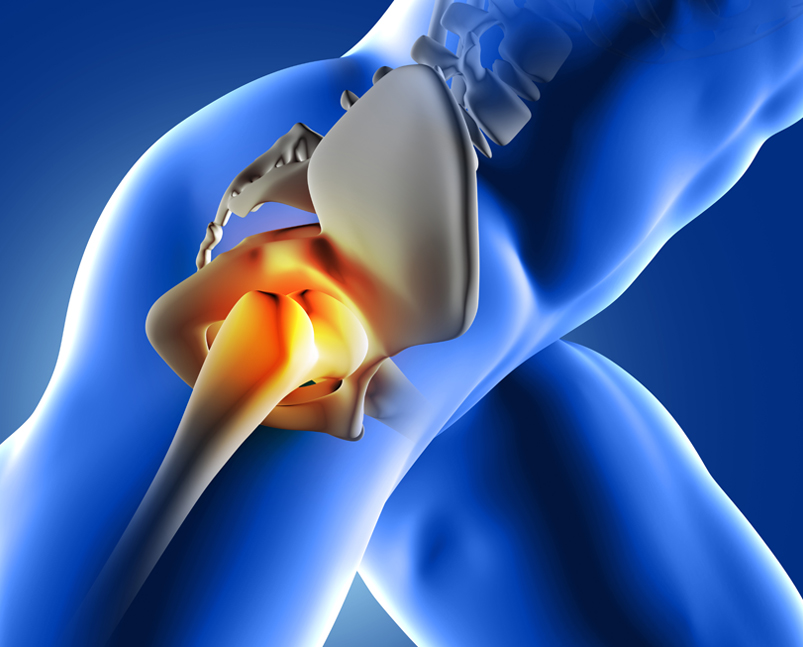
Symptoms of Avascular Necrosis
During the initial stages of avascular necrosis, patients may appear asymptomatic. However, as the condition advances, the impacted joints may become increasingly painful when more weight is placed on them. Eventually, the pain may even occur when at rest while lying down in bed. The pain threshold may vary in each case, depending on the patient. It develops gradually and may be mild or severe. Pain in the hip can radiate from the groin, thigh, or buttocks.
Causes of Avascular Necrosis
Avascular necrosis occurs from reduced blood supply to the bone, which may be a result of the following:
- Bone or joint-related trauma develops from joint dislocation and injury to the surrounding blood vessels.
- Fat deposits in the blood vessels, which arise from fats (lipids), can obstruct the small blood vessels, which impair blood flow to the bones.
- Underlying medical conditions can contribute to a reduction in blood supply to the bone.
Risk Factors for Avascular Necrosis
- Traumatic injuries such as a fracture or hip dislocation.
- Excessive use of high-dose corticosteroids.
- Excessive alcohol consumption.
- Medical treatment for cancer, like radiation therapy, can cause the bone to weaken.
Complications of Avascular Necrosis
Untreated avascular necrosis can have serious consequences and gradually worsen over time. As a result, the bone loses its shape, increasing the risk of arthritis. Fortunately, there are many ways to prevent this disorder, such as:
- Limit alcohol intake
- Maintain stabilised cholesterol levels
- Monitor steroid use, like the use of Prednisone.
- Quit smoking because smoking leads to the narrowing of the blood vessels.
Avascular Necrosis (AVN) FAQ:
What is the reason for avascular necrosis?
The primary reason is reduced blood supply to the bone.
Why is treatment so important for avascular necrosis?
Timely intervention and treatment help slow the progression of the condition.
Do you need surgery for avascular necrosis?
This depends and varies from patient to patient. Non-surgical treatments are available to manage it. However, surgery is a last resort for severe cases.
Why Choose Umhlanga Orthopaedic Surgeons?

Expert Care
Patient-Centered Approach
Comprehensive Solutions