



SERVICES
Hip Conditions
Hip Dysplasia
Overview
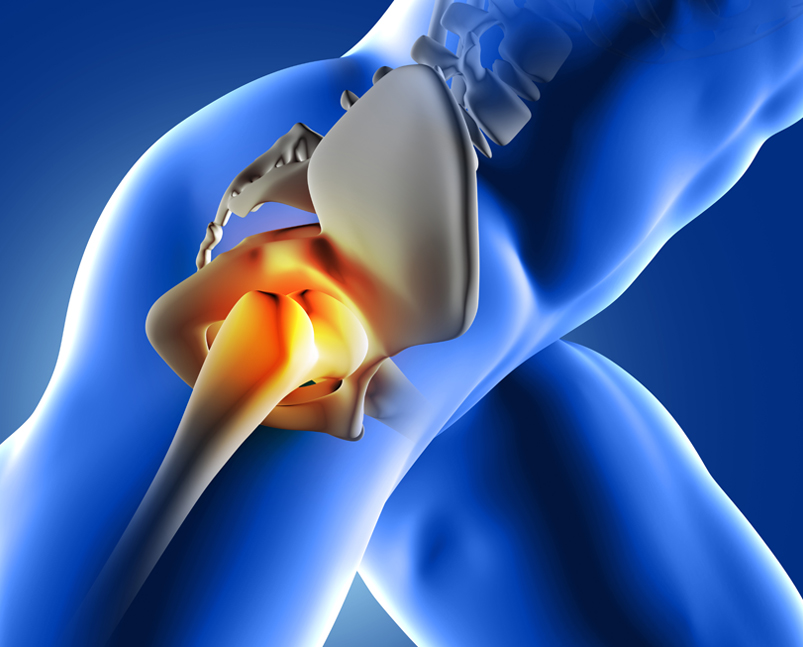
Hip dysplasia (developmental dysplasia of the hip) arises when the hip socket fails to completely submerge the ball part of the upper thighbone, which results in partial or complete dislocation of the hip joint.
Symptoms of Hip Dysplasia
With proper management, individuals with hip dysplasia can lead a normal, active life. Symptoms vary, depending on your age. For example, in an infant, you’ll notice one leg is much shorter than the other. Once that same child starts to walk, he/she will walk with a limp due to the discrepancy in length. Even during diaper changes, one hip may appear less flexible than the other. Pain occurs in teenagers and adults with hip dysplasia, increasing the likelihood of a hip labral tear or hip osteoarthritis. As a result, those with hip dysplasia may suffer pain in the groin region and, at times, may develop hip instability.
Causes of Hip Dysplasia
One of the factors that contribute to hip dysplasia is a shallow socket that develops during birth. Healthcare professionals play a crucial role in preventing and managing this condition. It occurs due to limited spacing in the womb, resulting in the abnormal shifting of the ball of the hip joint.
Factors that contribute to limited spacing in the womb include the following:
- Large foetus
- Breech position
The risk of hip dysplasia is higher for babies in the breech position and for tightly swaddled babies with straight hips and knees.
Complications of Hip Dysplasia
Over time, hip dysplasia can lead to significant damage to the labrum, the soft cartilage of the hip. This can result in a higher risk of hip labral tears and osteoarthritis. The primary cause of these issues is the increased pressure over the small surface area of the socket, which leads to the erosion of the smooth cartilage over the bones.
Hip Dysplasia FAQ:
If left untreated, can hip dysplasia cause complications?
Usually, if not treated, hip dysplasia can cause pain and hip instability.
Do you need surgery for hip dysplasia?
One of our specialist orthopaedic surgeons will assess your condition, which may involve a physical examination and imaging tests, and construct the most suitable treatment plan. You can trust their expertise and experience to guide you through your treatment journey.
What are the possible warning signs of hip dysplasia?
Examples of some of the signs to watch out for include the following:
- Limp
- Hip pain
- Hip instability
Why Choose Umhlanga Orthopaedic Surgeons?

Expert Care
Patient-Centered Approach
Comprehensive Solutions